
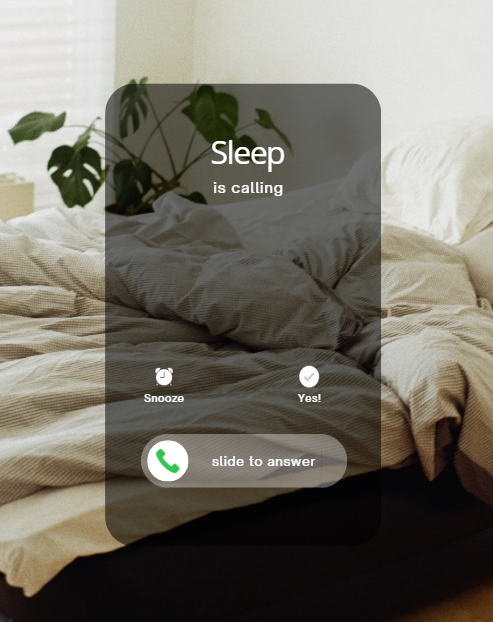
The Surprising Link Between Breathwork and Better Sleep
You don’t fix sleep only in bed. You fix it with what your nervous system does all day.
If you go to bed with a full inbox in your mind and a sympathetic nervous system still firing, no amount of magnesium is going to fully override that. Conscious breathwork can help you clear stress from your body so that when your head hits the pillow, your system is actually ready to rest.
How Stress Hijacks Your Sleep
Chronic stress keeps your body in a state of hyperarousal: elevated cortisol, faster heart rate, and, often, faster and shallower breathing.
That state is not designed for deep sleep. It’s designed for scanning the savannah for threats.
Studies have shown:
- Breath-focused relaxation can significantly improve sleep quality, including sleep latency (how fast you fall asleep), sleep duration, and sleep efficiency.
- When combined with simple sleep-inducing exercises, mindful breathing interventions improved anxiety and insomnia severity over 1 – 3 months compared with control groups.
In other words, breathing differently during the day and evening can change how your nervous system meets the night.
How CCB Helps You Sleep Better
Conscious connected breathwork is not about trying to breathe a certain way while you’re asleep. It’s about processing the backlog of stress, emotion, and tension so your baseline arousal comes down.
- Breathwork interventions have been shown to significantly reduce stress and improve mental health markers.
- Slow and intentional breathing enhances parasympathetic activation and vagal tone, which support relaxation and recovery — key ingredients for restorative sleep.
- When you regularly give your body a chance to discharge accumulated stress through breath, you’re less likely to carry that wired state into bedtime.
So think of CCB as nervous system hygiene for better sleep, not as something you do in the middle of the night when you’re already desperate.
An Evening Breath Ritual for Deeper Rest
Try this in the late afternoon or evening, a few hours before bed:
- Transition practice: After work or after kids’ bedtime, set 10 – 15 minutes just for breathing.
- Conscious connected breathing: Gentle, circular breathing in and out through the mouth, no pauses, for 7 – 10 minutes. Let the pace be soft, not intense.
- Close with slow, nasal breathing: 3–5 minutes of in for 4, out for 6 through the nose to downshift.
- Notice the shift: Pay attention to how your body feels over the next few hours—less reactive, more grounded.
Research on breathing-based relaxation protocols suggests that even short daily practices can significantly improve sleep quality over several weeks.
Small Breathing Tweaks That Support Sleep
- During the day: Catch yourself holding your breath during emails or scrolling. Soften your belly and extend your exhale.
- Before bed: Use 5 minutes of slow breathing instead of one last scroll.
- Middle of the night: If you wake and spiral, try gentle nasal inhales and long, slow mouth exhales instead of forcing sleep.
Better sleep isn’t just about more willpower at bedtime. It’s about teaching your nervous system, breath by breath, what it feels like to power down.